










Table of Contents
If you’ve ever thought about relocating to Darwin, you would probably picture the city’s sunny skies, tropical landscapes, and relaxed, chill, friendly vibe. The lifestyle this city offers is still what many dream about—beaches, outdoor adventures, and a slower pace of life compared to Australia’s bigger cities. But, but, but while Darwin provides plenty of charm, living here comes with its own set of financial realities. After relocating here, your wallet will definitely feel the difference, whether it’s paying for rent, utilities, groceries, transport, or leisure activities. Certain expenses, such as fresh produce or eating out, can be pricier than in other Australian cities, and housing costs fluctuate depending on the suburb you select. Whether you’re relocating for work, school, or a change of lifestyle, it can make your move easier and spare you budget-busting surprises to know what basic costs will be. This blog will cover the cost of living in Darwin so you can budget for your day-to-day expenses and larger purchases! Ultimately, you will know what it’s truly going to cost you to live in the city, which can give you peace of mind so you keep showing up for the best.
What Is The Cost Of Living in Darwin, Australia?
It is the most common question asked by anyone planning to move to Darwin. According to surveys and research, in general, Darwin’s cost of living typically ranges around AU$22,650 per year. That includes essential expenses such as rent, utilities, groceries, transport, and a daily living kit. But of course, the amount can vary depending on your lifestyle, personal preferences, and your family situation. However, this estimate provides a realistic sense with which anyone planning to move to or settle in Darwin can use as a guide; the detailed breakdown is provided below.

1. Average Cost of Accommodation in Darwin
Regardless of whether you rent or buy, housing costs dominate living costs in Darwin. There is a wide range of housing options to choose from: city-centre apartments; single-family homes in suburban areas.
2. Average Rent in Darwin
In the Central Business District: Apartments
- 1-bedroom: AU$450-650/week
- 2-bedroom: AU$650-900/week
- 3-bedroom: AU$900-1300/week
3. In Suburban Apartments (Larrakeyah, Nightcliff, Fannie Bay)
- 1-bedroom: AU$400-600/week
- 2-bedroom: AU$550-800/week
- 3-bedroom: AU$750-1100/week
4. Property Purchase Prices in Darwin
- Average Price of a House in Darwin
- Inner suburbs: AU$700,000-1 million
- Middle suburbs: AU$500,000-700,000
- Outer suburbs: AU$400,000-600,000
5. Median Apartment Prices in Darwin
- Inner suburbs: AU$400,000-600,000
- Middle suburbs: AU$350,000-500,000
- Outer suburbs: AU$300,000-450,000
- Extra Costs: Legal fees (AU$1,000-3,000), inspections (AU$400-800), information from the housing department, and the council.
6. Practical Suggestions for Affordable Housing:
- Outer suburbs such as Palmerston or Howard Springs tend to have lower rentals and good transport connections.
- Consider sharing a house with friends or family to reduce costs.
- In addition, apartments are easier to maintain than houses, saving time and money.
Why choose a Professional Mover in Darwin?
If you’ve decided to move into a rental property in Darwin, your next consideration is how to get there with the least stress and expense. Hiring a professional removalist team in Darwin can save you both time and money, and ensure your goods are delivered safely. Moving Champ, Darwin’s top removalist services company, stands ready to serve your needs, large or small. From a few items to an entire family home, our professional movers take care of everything that we offer:

1.Packing Fragile Items and Electronics Efficiently.
- Transporting large furniture safely and also providing insurance and accountability for your belongings.
- For smaller moves or individual items, we offer our always flexible and inexpensive Man with a Van Darwin service. It’s especially great if you have only a few items to move or are coming from a nearby town.
2. Utilities
- In Darwin, electricity, cooling, water, and garbage services for an average-sized apartment typically amount to around $350 per month.
- Internet services can add another $70 to your monthly expenses.
3. Food costs
- When it comes to groceries, Darwin’s grocery prices are 4% lower than Sydney’s, so a weekly shop for one person might cost around $100, depending on your shopping habits and dietary preferences. For a family of 4, expect to spend between $300 and $400 per week.
- A meal for two at about $35 is an example of a lower-priced offering. For the two of you, it will be a more expensive meal, coming to $150 per person, but not more.
- Utilities and internet cost about $400; food is about $100 per person per week.
4. Costs of getting around
- Public transportation is another significant cost of living in Darwin. Buses provide public transportation, and a Weekly Tap and Ride card costs $15-$20. However, given Darwin’s city layout and for convenience, many residents prefer driving.
- Keep in mind the costs of fuel, insurance, and maintenance when planning to drive. Fuel prices in Darwin are comparable to the national average at $1.75 for unleaded and $1.80 for diesel, but it’s always good to budget for these additional expenses.
Summary: A Weekly bus pass is $20, and fuel is $1.75 / L in 2024. (But remember rego and insurance costs for your car, which may be about $150 per month.)
Read More: Brisbane Cost of Living Breakdown: Rent, Bills & Transport Expenses
Healthcare
- Darwin offers a range of healthcare and education options, which are important considerations for families.
- Public healthcare is accessible and generally affordable, while private healthcare options are also available.
Education
- If you live in East or Southeast Asia, the cost of your child’s education depends on the type of school your child will attend. In Darwin, public schools are less expensive than private schools.
- Darwin High School, Marrara Christian College, and St. John’s Catholic College are just a few among the top high schools in Darwin. All charges vary, but together there are annual fees ranging from $ 1,000 to $14,000 per child you send.
- You’ll also find three central tertiary institutions in Darwin: Charles Darwin University, Flinders University, and the Batchelor Institute of Indigenous Tertiary Education.
- Childcare costs in Darwin are around $2400 per month.

Estimated Monthly Expenses in Darwin
| Category | Single-Person Apartment | Family Home (3–4 People) | Tips |
| Rent | AU$1,200–2,000 | $2,708/month | Choose the outer suburbs or share housing to save |
| Utilities (electricity, water, gas) | AU$100–180 | AU$250–400 | Use energy-efficient appliances |
| Transport (fuel, registration) | AU$150–250 | AU$420 | Walk, bike, or use public transport |
| Groceries & essentials | AU$100 | AU$600 | Shop smart and buy in bulk |
| Miscellaneous (internet, phone, leisure) | AU$100–200 | AU$200 | Track spending and prioritise |
How Darwin’s Unique Lifestyle Shapes Living Costs
Darwin is not like the average Australian city — it’s a tropical, multicultural hub where lifestyle, climate, and environment affect the cost of living. Knowing about these unusual factors explains why some typical costs in Darwin might differ from those in other places. Here’s a closer look:
1. Tropical Climate Drives Energy Costs
- When it comes to air conditioning in the year-round heat and humidity of Darwin (in particular during Nov–Apr, it’s the wet season), even a house dog knows what’s best. This means power bills are higher than in southern cities.
- Have to invest in relevant rainy-season gear —waterproof shoes, rain jackets, and flood-prep kits—small costs that are part of life here, like doing your laundry or going grocery shopping, that keep you prepared.
2. Outdoor Lifestyle Influences Recreation Spending
- The residents’ goosefleshed life here is one of the great outdoors, fishing and hiking, beach barbecues, and camping.
- Frequent journeys to Litchfield or Kakadu National Parks may incur additional transport and activity costs, and equipment such as kayaks, tents, or fishing permits may be required.
3. Wildlife & Safety Considerations
- Darwin’s exotic wildlife, such as crocodiles, snakes, and tropical insects, means that mosquito repellent, pest control, and home security are high costs here.
- Secure fencing, vet care, and boarding can add up to higher costs every pet owner could face, ensuring your pets are safe in tropical conditions.
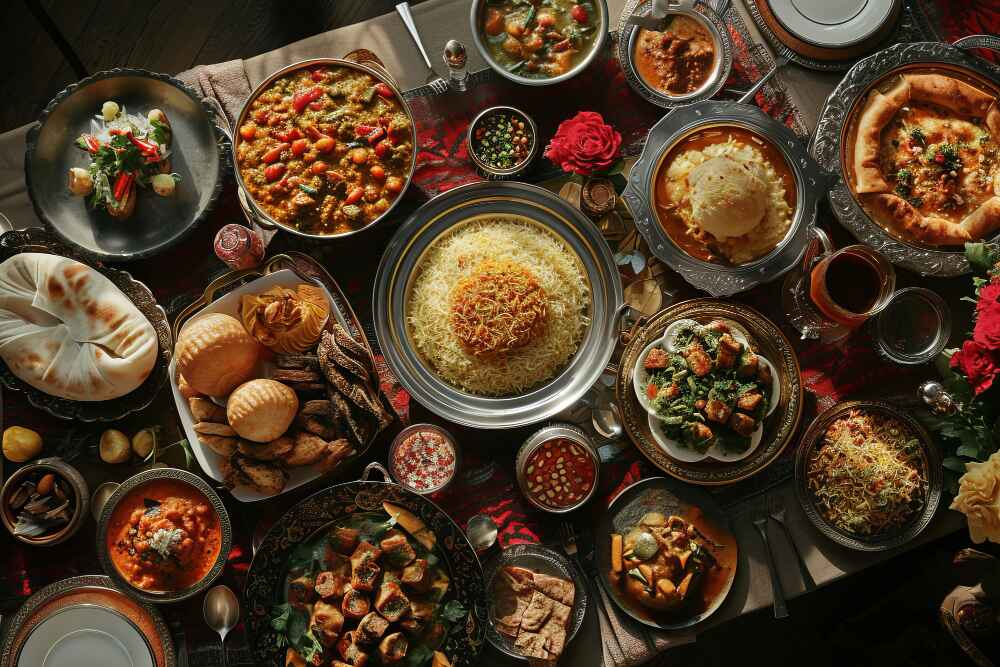
4. Multicultural Cuisine Impacts Grocery Costs
- Darwin’s dynamic Asian and tropical food scene features fresh, locally grown produce, which is often cheap at markets.
- Speciality or imported foods — think Asian staples, vegan substitutes, or global goodies have pricier shipping and lower supply.
5. Cyclone Season Moulds Housing & Insurance
- Cyclones and heavy storms are part of life in Darwin. Many residents are also budgeting for home insurance, cyclone-proofing, and emergency supplies during the wet season, with additional costs they don’t face in southern cities.
- These seasonal risks may be reflected in rental or property prices.
6. Goods & Travel Influenced by Northern Location
- Because Darwin is so isolated, imported goods like electronics and speciality items can be a bit pricier.
- On the upside, proximity to Asia means it’s only a short, cheap flight away from Indonesia, Singapore, or Thailand for work, study, and play.
7. Festivals & Cultural Life Bring Services (and Sometimes Issues)
- These range from the Mindil Beach Sunset Market to Territory Day and the Darwin Festival, contributing to the lifestyle of those who live in this part of Australia.
- Despite the number of free events, our entertainment and dining expenses are likely to increase marginally on occasion, especially for families and newcomers to Galway who want to experience local culture.
Also Read: Cost of Living in Gold Coast (2026): Real Costs & Expenses
Letting “Lifestyle” Speak For Itself
All these special aspects of Darwin reveal that living costs are not just numbers; they mirror a tropical lifestyle, outdoor culture, and a city shaped by its environment. Here is a quick rundown of how lifestyle factors impact costs:
| Lifestyle Factor | Impact on Expenses |
| Tropical heat & humidity | Higher electricity/AC bills |
| Wet season & cyclones | Emergency supplies & home insurance |
| Outdoor-focused lifestyle | Recreation, gear, and transport |
| Remote location | Slightly higher prices for imported goods |
| Festivals & cultural events | Entertainment and dining expenses |
By understanding Darwin’s unique environment, culture, and way of life, everyone planning to move here can set a realistic budget rather than simply comparing costs with those of southern Australian cities. It’s not just a question of money prices — living in a totally different city from anywhere else in Australia also has its own value.
Government Schemes in Australia:
1. Utilities
- Low-Income Energy Rebate– This program gives households with low incomes $100 off their electricity bills. So far, over 150,000 families have received this support.
- NT Electricity Concession–The Northern Territory Government gives you $370 towards your electricity account if you are eligible for discounts (eg, Senior card holders).
2. Food Costs
- Low-Cost Essentials Subsidy Scheme–This scheme pays for basic groceries that have been ordered in bulk and delivered out to the most remote Aboriginal communities.
- Food For Life–BCNT–If you do not have enough money to eat, BCNT Food For Life can help.
- Anglicare NT Food Vouchers – This is the best option for anyone in financial hardship, including people under 25 years old who need to raise funds to support themselves and their families, as there has been little to no support from their parents’ earnings.
3. Transportation
- Free Public Bus Travel–Free bus services operate across Darwin, Palmerston, and Alice Springs, Monday through Friday between 6 am and 10 pm, and on Saturdays from 8.30 am to 6 pm, with stops specifically situated at several major shopping precincts to save you money when it comes time for emergency cash, just in case your wallet gets stolen!
- Transport Subsidy Scheme (TSS)–For people with mobility restrictions, it covers half the fare for taxis or minibuses.
4. Healthcare
- Patient Assistance Travel Scheme (PATS)–For patients and their escorts who need to travel further distances than those that can be reached by road or regular public transport to see specialists.
- NT Health Grants–Assistance for students in all healthcare disciplines with grants, scholarships, and other support.
5. Education
- Back-to-School Payment Scheme – For school supplies, books, and uniforms, each child can receive AU$200.
- Financial Help for Students – Scholarships are awarded to all students from remote areas. This includes travel and board, as well as access to the latest internet information if you don’t live close enough for an ordinary line.
Conclusion
To live in Darwin is to embrace a life of simplicity. The city is quiet, inviting, and close to nature, which makes life here an earthy, relaxed rhythm. People don’t rush as much and savour everyday experiences, whether it’s a sunset at the waterfront or a weekend at the nearby national parks.
Once you understand your average bills per month, Darwin, and establish a decent budget, you will find that the little extras really don’t cut into your day-to-day survival. Shorter commutes, free outdoor spaces, local weekend markets, and community activities manifest a life that feels meaningful rather than rushed. A lot of people who make the move here tell me they are less stressed and more in tune with their own realities.
Darwin offers more than affordability. It provides breathing room, a relaxed cultural hybrid, and an opportunity to live near some of Australia’s most spectacular natural scenery. If you want somewhere that places a premium on simplicity, community, and quality of life over the constant hustle, you can put down roots in Darwin and really make it your own.
Here, life is not only lived. It is enjoyed.