










Table of Contents
- Melbourne vs Brisbane: Quick Comparison
- Planning Your Move: A Simple Timeline
- 8–12 Weeks Before
- 4–8 Weeks Before
- 1–2 Weeks Before
- Finding a Place to Live in Brisbane
- Best Suburbs for Young Professionals
- Best Suburbs for Families
- Choosing the Right Moving Option
- Option 1: Hire Professional Movers
- Option 2: DIY Move
- Job Market and Career Opportunities in Brisbane
- School Options in Brisbane
- Important Things to Know Before You Enrol
- Important Things to Update After You Arrive
- How to Travel from Melbourne to Brisbane
- Option 1: Drive It
- Option 2: Fly
- Settling Into Brisbane Life
- Final Thoughts
- Frequently Asked Questions
- Q1. Is moving from Melbourne to Brisbane worth it?
- Q2. What is the cheapest way to move interstate from Melbourne to Brisbane?
- Q3. Is Brisbane a good place for families?
- Q4. What are the most common mistakes people make when moving interstate?
Moving from Melbourne to Brisbane is becoming one of the most popular interstate relocations in Australia. Whether you are chasing better weather, a lower cost of living, or a more relaxed lifestyle, Brisbane offers a fresh start with plenty of exciting opportunities.
But let’s be real. Moving interstate isn’t just about packing boxes. It’s about planning your finances, choosing the right suburb, and settling into a completely new environment.
This guide walks you through everything you need to know step by step in the simplest way possible.
So grab a coffee, get comfortable, and let’s dive in!

Melbourne vs Brisbane: Quick Comparison
| Factor | Melbourne | Brisbane |
| Population | 5.2 million | 2.6 million |
| Job Market | Larger but highly Competitive | Smaller but steadily growing |
| Weather | Cooler winters, unpredictable | Warm climate with mild winters and hot, humid summers |
| Cost of Living | High | Moderate[generally more affordable] |
| Beaches Access | 1-2 hour drive | Easy access to gold coast and sunshine coast. |
| Commute Time | Can be longer due to size and traffic | Varies by suburb |
| Nightlife and Culture | Strong arts, food, and events scene | Growing scene, more relaxed |
| Housing Space | Smaller apartments are more common | Larger homes and more spaces are available |
The numbers speak for themselves — Brisbane gives you more space, sunnier days, and more money left in your pocket at the end of the month. For a lot of people, that’s a pretty compelling reason to make the move!
Planning Your Move: A Simple Timeline
Here’s the Truth: People who have the smoothest moves are the ones who plan early. Ideally, start preparing your Melbourne to Brisbane moving checklist at least 8 to 12 weeks before your moving date. Follow these tips for a stress-free interstate removal to stay on track at every stage. Here’s exactly what to do and when:
8–12 Weeks Before
- Set your moving date and budget
- Research Brisbane suburbs and begin your property search
- Start getting quotes from interstate removalists
- Decide what to keep, sell, or donate to reduce your moving volume
4–8 Weeks Before
- Confirm your removalist booking
- Arrange temporary accommodation in Brisbane if needed
- Notify your employer, landlord, and key contacts about your move
- Research Brisbane schools if you have children — catchment zones can be competitive, so the earlier the better
1–2 Weeks Before
- Begin packing non-essential items
- Arrange pet transport if applicable
- Confirm your travel arrangements
- Start redirecting mail to your new Brisbane address so nothing gets lost in the transition
Use platforms like realestate.com.au to regularly check available rentals. Contact local Brisbane real estate agents, too; they often have listings before they go live online. Many agents now offer virtual inspections so you can easily view homes while you’re still in Melbourne!
Finding a Place to Live in Brisbane
One of the most thrilling parts of moving somewhere new is figuring out where you’ll actually call home! Brisbane is packed with unique suburbs, each with its own vibe and character.
The best fit for you really comes down to your lifestyle, what you can spend, and how far you’re willing to travel to work. Here’s a simple breakdown to point you in the right direction:
Best Suburbs for Young Professionals
- Fortitude Valley: If you love a buzzing nightlife and an arts scene, this one’s for you — plus, getting around is a breeze
- South Brisbane / West End: A wonderfully cultural pocket of the city with amazing restaurants and streets you’ll actually want to walk
Best Suburbs for Families
- Paddington: Gorgeous tree-lined streets, solid schools, and charming character homes that feel instantly welcoming
- Bulimba: Beautiful riverside setting, excellent schools, and a real sense of community that’s hard to beat
- Kenmore: Perfect if you’re after more space, a quieter pace, and schools with great catchment zones
Choosing the Right Moving Option
How you move your belongings plays a huge role in how smooth or stressful the whole experience turns out to be. You’ve essentially got two paths to choose from-
Option 1: Hire Professional Movers
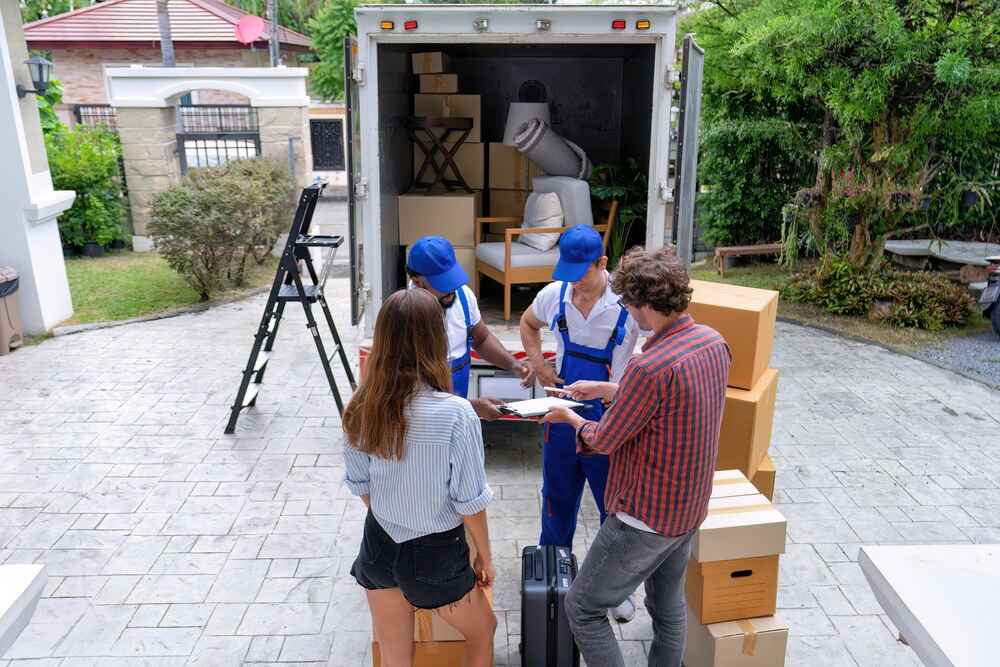
Hiring experienced Interstate Removalists like Moving Champs in Australia is the most reliable choice for a long-distance move from Melbourne to Brisbane.
Benefits of Hiring Removalists:
- Your belongings are packed and handled safely and efficiently
- All the heavy lifting is taken care of
- You save significant time, energy, and stress
Best for: Families, full-house moves, and anyone who values a smooth, hassle-free experience.
Option 2: DIY Move
You rent a truck and handle everything yourself, from packing to driving nearly 1,800 km up the highway.
- Pros: More affordable, and you’re in full control of every step
- Cons: Physically exhausting, very time-consuming, and a higher risk of damage to your belongings
Best For: Small moves or people working with a very tight budget.
| Cost Item | Estimated Cost |
| Removalists -1 Bedroom Apartment | $1800-$2800 |
| Removalists – 3 Bedroom Apartment | $4,000-$7,500 |
| DIY Truck Hire [one-way] | $1200-$2,500 |
| Storage [if needed,per month] | $100-$300 |
Job Market and Career Opportunities in Brisbane
Worried about finding work after the move? Don’t be, because the outlook in Brisbane is genuinely encouraging.
Brisbane has a growing economy with strong demand across several key industries, including healthcare, construction, IT & tech, finance and hospitality. Large infrastructure projects and ongoing digital growth are creating fresh job opportunities every single year.
Yes, Brisbane’s job market is slightly smaller than Melbourne’s, but here’s the silver lining: there’s far less competition in many skilled roles, particularly in trades, healthcare, and tech. If you’ve got relevant experience, you’ll find that it works strongly in your favour here.
On top of that, Brisbane’s work culture is noticeably more relaxed. Think better work-life balance, flexible hours, and a growing number of remote and hybrid opportunities.
Pro Tip: Don’t wait until you’ve arrived to start job hunting. Begin applying before your move so you can hit the ground running from day one.
School Options in Brisbane
If you’re moving with kids, choosing the right suburb often starts with choosing the right school. The good news is that Brisbane has some fantastic options across both public and private schooling.
Areas like Paddington, Indooroopilly, Carindale, and Kelvin Grove are particularly popular with families, and a big reason for that is the quality of schools in those neighbourhoods.
Some of the well-known secondary schools worth looking into include:
- Brisbane State High School
- Kelvin Grove State College
- Indooroopilly State High School
- Brisbane Grammar School
- All Hallows’ School
Important Things to Know Before You Enrol
A few things that can catch new families off guard — so it’s better to know these upfront:
- You’ll need proof of address to enrol your child in a school
- Many public schools follow catchment zones, which means where you live directly affects which school your child can attend, so choose your suburb wisely!
- Popular schools can have waiting lists, so don’t wait until you’ve arrived to start the process. Apply as early as you possibly can
Important Things to Update After You Arrive
You’ve made it to Brisbane, congratulations! Take a moment to enjoy it. But before you fully relax, there are a few important admin tasks to knock off your list.
- Driver’s Licence: Transfer your Victorian licence to a Queensland licence within 3 months of arriving
- Vehicle Registration: Switch your interstate rego over to Queensland registration
- Electoral Roll: Update your address with the AEC once you’ve been at your new place for at least 1 month
- Medicare: Update your address via your Medicare online account or myGov
- ATO: Update your contact and address details with the Australian Taxation Office
- Banks and Super: Notify your bank and super fund of your new address
- School Enrolment: Check Brisbane school catchment zones and reach out to schools early — spots fill up faster than you’d think!
- Utilities and Internet: Arrange electricity, gas, and internet connections before move-in day if possible, so you’re not sitting in the dark on night one!
- GP and Prescriptions: Find a new local doctor and transfer any ongoing prescriptions or specialist referrals
Getting these sorted early means less stress and absolutely no nasty surprises down the track. Think of it as the final chapter of your move — once it’s done, you can truly call Brisbane home.
How to Travel from Melbourne to Brisbane
So, how do you actually get to Brisbane? You’ve got three solid options:
Option 1: Drive It
The road trip covers approximately 1,744 km via the Hume and Pacific Highways and takes around 18–20 hours of driving time. The smart move is to split it across two days with an overnight stop in Sydney or the Hunter Valley. It’s a great option if you want to bring your car along and actually enjoy the journey.
Option 2: Fly
Flights from Melbourne (Tullamarine or Avalon Airport) to Brisbane take just 2.5 hours, roughly 4–5 hours door-to-door once you factor in airport time. Flying is the ideal choice when you’re sending your belongings ahead with removalists and want to arrive quickly and stress-free.
Settling Into Brisbane Life
- Adjusting to the Climate: Brisbane’s subtropical climate is one of its biggest drawcards. Winters are mild and dry (June–August), perfect for outdoor living. Summers (December–February) can be hot and humid with afternoon thunderstorms. Stock up on sunscreen, stay hydrated, and invest in a good ceiling fan or air conditioning unit.
- Getting Around Brisbane: Brisbane’s public transport network (TransLink) operates trains, buses, and river ferries. The network is solid for the CBD and inner suburbs, but having a car makes suburban life considerably easier. The good news — Brisbane’s traffic is significantly better than Melbourne’s.
- Lifestyle and Culture: Brisbane has grown enormously as a city in the past decade. South Bank is a world-class cultural precinct with galleries, restaurants, and a man-made beach. West End, Paddington, and New Farm offer Melbourne-worthy food and coffee scenes.
Final Thoughts
Moving from Melbourne to Brisbane is one of the most popular lifestyle moves in Australia, and for very good reason.
The key to a successful move is early planning, choosing reliable interstate removalists Melbourne, and doing your research on Brisbane’s suburbs, job market, and lifestyle. Whether you’re a first-time mover or seasoned relocator, this guide gives you the foundation to make your Melbourne to Brisbane journey as smooth as possible. Brisbane is ready for you. Now it’s time to make the move!
Frequently Asked Questions
Q1. Is moving from Melbourne to Brisbane worth it?
Yes, many people move to Brisbane for a lower cost of living, better weather, and a more relaxed lifestyle. Compared to Melbourne, Brisbane offers more space, less congestion and a growing job market.
Q2. What is the cheapest way to move interstate from Melbourne to Brisbane?
The cheapest option is a DIY move where you rent a truck and handle packing and driving yourself. However, it requires effort and comes with a higher risk of damage.
Q3. Is Brisbane a good place for families?
Yes, Brisbane is family-friendly with good schools, spacious homes, and quieter suburbs. However, school catchment zones are important, so choose your suburb carefully.
Q4. What are the most common mistakes people make when moving interstate?
Common mistakes include underestimating costs, booking movers too late, failing to research suburbs properly, and failing to organise utilities before arrival.