
Sydney Cost of Living Breakdown: Rent, Bills, Transport & More
Sydney Cost of Living
Sydney is one of Australia’s best-known cities and offers two distinct ways of life. From the thriving CBD to the emerging innovation corridors of Parramatta, Sydney is shaping Australia’s real-world economy. For this reason, a variety of professionals and investors nationwide intend to grow their businesses. This city also includes beaches, leafy suburbs, national parks, arts centres and fantastic nightlife.
So, whether you’ve already decided to be a Sydney resident, are spending your vacation there, or are relocating for work, one of the things you should know before moving is the cost of living in Sydney. Facts such as where you live, how you get around, what you eat and the lifestyle you lead can have a significant impact on your budget.
This guide will help you plan your budget and make more intelligent choices as you settle into the city. The goal here is to help you feel confident, prepared and ready to start your new life in Sydney.
Why Smart Budget Planning Matters for Australian People and New International People?
When you are planning to move to the city, make sure you know as much as possible about the cost of living in advance so you will be prepared and know what to expect with your expenses. With proper preparation, moving to Sydney makes you feel good about it rather than stressed and confused all day!
- When you have a grasp of your budget in advance, it enables you to:
- Guides your transportation choices
- Helps you set realistic expectations
- Helps you grow your money for the future
- Let you choose Affordable Housing
- Prevents Financial Stress
Accommodation and Housing
The most basic question for anyone considering a move to Sydney is “What will it cost me to live here”? Based on surveys and studies, the cost of living in Sydney typically ranges from AU$35,000 to AU$45,000 per person per year. This budget assumes all the necessary needs covered - rent, utilities, groceries, transport and daily life. Of course, the exact amount will vary based on your lifestyle, preferences, and family situation. But this figure provides a practical framework if you want to move to (or simply settle in) Sydney. See below for a more in-depth costing to help you plan your budget.
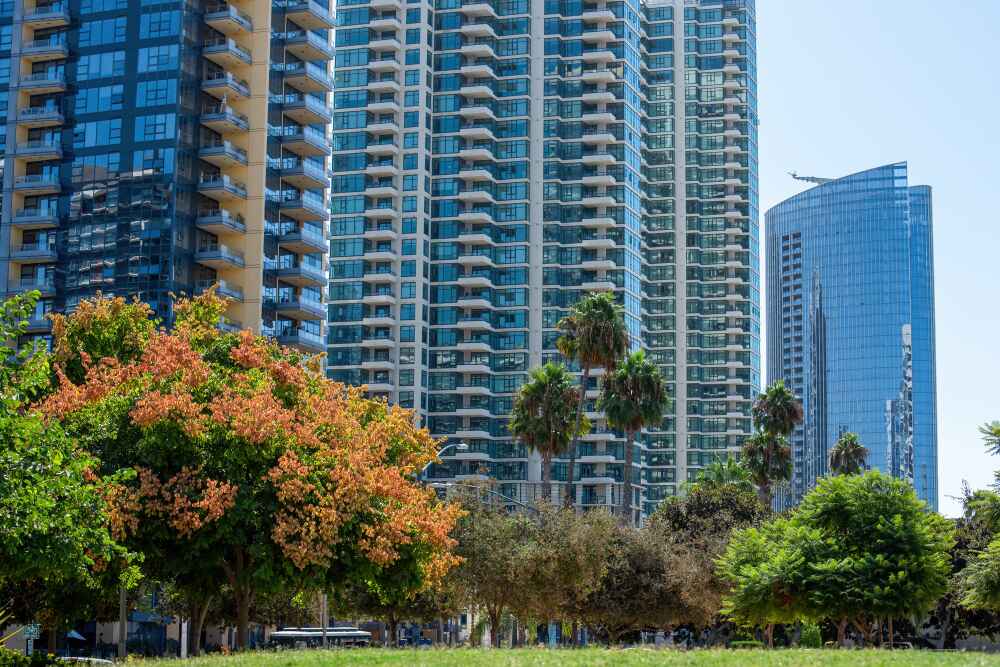
Apartments in the City Centre (CBD)
Home to the city’s largest employers, located in the heart of Sydney and within walking distance of major businesses, renowned dining precincts, shopping and entertainment. That convenience comes at a price, but it costs millions to make the short commute and urban lifestyle work for them.
| Property type | Average weekly Rent[AUD] | Notes |
| 1- Bedroom apartment | $ 700-$ 1000 | Close to offices, shopping and transport |
| 2-bedroom Apartment | $ 1,OOO-$1,800 | Ideal for shared living. |
| 3-bedroom Apartment | $ 1,500-$ 2,500 | Suitable for families |
Apartments in Inner Suburbs
Inner suburbs strike a balance between accessibility and community feel. Areas like Newtown, Referral, Pyrmont and Glebe provide trendy cafes, boutiques and neighbourhood vibe while keeping you within 5-15 minutes of the CBD by bus or train.
| Property type | Average weekly rent [AUD] | Notes |
| I bedroom apartment | $650-$900 | Ideal for students and professionals |
| 2-bedroom apartment | $900-$1,300 | Perfect choice for shared living or a small family |
| 3-bedroom apartment | $1,200-1,300 | Premium price range due to location |
Property Price Overview in Sydney
Sydney’s property market is one of the most expensive in the world, competing with cities like London and New York. Factors such as high demand, Sydney’s strong economy and lifestyle appeal all contribute to high property prices.
| Area type | Median house price[AUD] | Median apartment price[AUD] | What to expect |
| Inner suburbs | $2 million-$3 million | $ 1 million-$1.2 million | Premium lifestyle and close to the CBD. |
| Middle suburbs | $ 1.2 million-1.6 million | $ 750,000-$1 million | Balanced living |
| Outer suburbs | $900,000-1.2million | $550,000-$750,000 | More spacious home |
Some Practical Tips to Make Affordable Living a Reality
- Looking outside the city centre can save you a significant amount on your rent. Suburbs like Marrickville or Ryde often offer more affordable options while still providing excellent transport links, schools and services.
- Apartments are typically more affordable and require less upkeep compared to homes.
- Some of the buyers reduce costs by sharing ownership with family and friends. This way, each person contributes a portion of the price, making it easier to afford a home in desirable areas without having to pay the full amount alone.
- Whether you’re moving into a new home or relocating across states, interstate removalists in Sydney or a reliable man with a van can ensure your belongings are transported safely and efficiently.
What Does a Typical Day-to-Day Budget Look Like in Sydney?
Groceries and Dining– Supermarket shopping centres are one of the easiest places you can overspend (or save). That’s why we have such a mix of grocery stores in Sydney – from supermarkets to organic stores and beyond – offering you lots of variety depending on your lifestyle, with prices varying accordingly.
Most Sydney-siders shop for groceries at three big supermarkets- Aldi, Coles and Woolworths each week.
Aldi – Aldi is better known for its limited range and emphasis on own-brand, low-cost products. It emphasises basic products that most households want, including cereals, milk, pasta, snacks, cleaning supplies and fresh produce.
Some research has suggested that Aldi can be 20 per cent to 25 per cent cheaper than Coles or Woolworths.
Coles and Woolworths- Coles and Woolworths are the two largest supermarket chains in Sydney, and they have always mirrored each other’s product ranges, weekly ad promotions, and loyalty cards. Both shops offer special promotions like” buy three, get two free,” and half-price offers. Thanks to these weekly or monthly deals, Coles or Woolworths can actually be cheaper than Aldi for branded goods like cereal, cleaning products, and snacks.

Smart shopping strategies
Living in Sydney can be pricey sometimes, but with the smart plan, you can save a surprising amount on groceries whenever you buy –
- Mix and match stores for maximum savings- Buy pantry basics, frozen goods and cleaning products at Aldi — they’re generally 20–30% cheaper than other supermarkets.
- Check and compare unit prices – Be cautious of “family-size” or “value packs”; they sometimes cost more per unit than smaller sizes.
- Plan your grocery trips: Always check online before heading out.
Utilities in Sydney
When planning to move to Sydney, remember to include your monthly utility bills in your budget, as they account for a significant share of your living costs. The amount you pay will depend on the size of your home, how many people live there and how much water or energy you use. Below are some simple ideas of what you can expect to spend each month in Sydney.
Electricity and Gas
For a small family, the average electricity bill is around $400-$500 every three months and the apartments with just one person usually spend less, about $250-$350 per quarter. Whereas in the larger family that uses electric heating, air conditioning, or has pool pumps, bills can go over $600–$800 every three months. Several factors can influence your electricity bill, such as the energy provider and plan you choose. Homes with solar panels can reduce electricity bills.
Money-saving tips for Energy Bills-
- When appliances and chargers are not in use, unplug them to avoid energy consumption.
- Air-dry clothes when possible instead of using the dryer.
- Keep your heating and cooling systems well-maintained, clean filters and regular servicing improves efficiency.
- Seal doors and windows properly to reduce heating or cooling loss.
- Switch to energy-efficient LED lights throughout your home.
Internet [NBN Plans]
Because the Internet is available in almost all Sydney suburbs, most people there use the national Broadband Network. Here’s what you will owe-
- Average NBN plans (50 Mbps download speed, unlimited data) will cost around $80–$90 per month.
- Quicker plans tend to range from $100 to $130+ per month, depending on the provider and speed.
- If you work remotely or have multiple internet users in your home, choose an NBN 100 plan or higher for a seamless experience.
- Some big providers, including Telstra, Optus and TPG, offer bundle packages for streaming, along with Internet and mobile. These can save your money initially, but always check the price after the promotion ends.
Transport — Opal Fares and Monthly Passes
Sydney also has an excellent public transport network, so it’s pretty easy to get around even without a car. This comprises buses, trains, ferries and light rail services all of which are connected by the Opal card for fare payment.
Trains serve the suburbs and the city and are the most efficient way to travel longer distances, whereas buses complement train services, often serving areas not reached by trains, and serve shorter local journeys.
Opal fares
Public transport in Sydney is calculated based on the distance you are travelling.
There are daily and weekly caps on your spending to help you avoid breaking the bank. You can take advantage of discounted off-peak hours, when rates are about 30% lower at certain times and on weekends. For grown-ups, the maximum fare per week is about $50, so if you travel every day, your cost won’t exceed that amount. If you travel 5 days a week, then your monthly fee is usually $200–$220 using Opal weekly caps.
Cost of studying for international students in Sydney
Sydney is one of Australia’s most prestigious and lively cities, attracting students from around the world thanks to its top universities, multicultural environment, and strong job prospects. However, studying here can be expensive, especially when you factor in both tuition fees and living costs.
| Degree type | Estimated tuition fee [AUD] | Approximate in INR |
| Bachelor’s Degree | AUD 38,000-60,600 | ₹25- ₹40L |
| Master’s degree | AUD 38,000-63,400[Varies by course] | ₹25–₹42L |
| Research Phd | AUD 46,900-58,400 | ₹30L-₹38L |
Which Sydney Universities Give the Best Value for International Students?
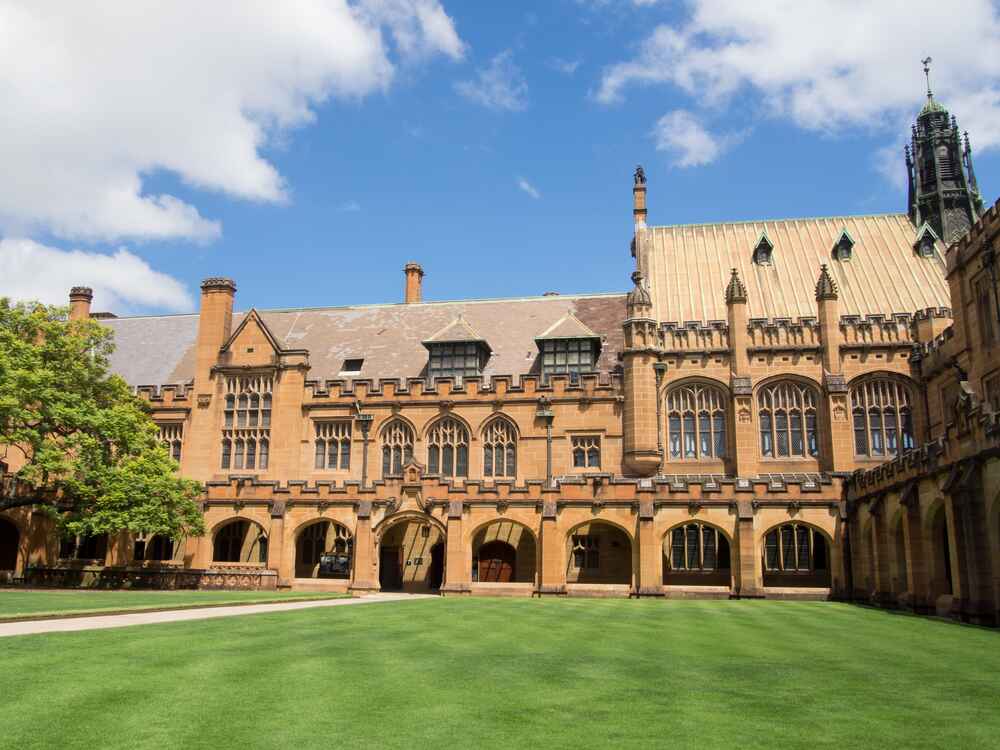
Sydney provides a world-class education and international-standard opportunities. Some of the well-known universities in Sydney are as follows:
- The University of Sydney offers a range of programs across arts and science, engineering, and business, with undergraduate and postgraduate options for international students, including scholarship programmes.
- University of New South Wales (UNSW Sydney) – Known for its innovative, research-driven teaching methods, the university offers a variety of scholarships for international students.
- University of Technology Sydney (UTS) – Offers a range of hands-on courses across business, design, engineering, technology and more — with support services and scholarships to help international students thrive.
Health System in Sydney
Whether you’re a student in Australia or a working professional, appointments and emergency services in Sydney (or any city/town in Australia), you should expect to save quite a bit on GP visits and other primary healthcare!
Public / Medicare‑supported Care
- Bulk billing is a type of payment patients can access under the Medicare system in Australia, where patients receive medical care with no out-of-pocket expense.
- That means many people will potentially pay AUD$0 for a standard GP consult — but it varies depending on the clinic, its billing approach, and whether the doctor bulk-bills.
The cost of a genuine GP / Private GP in Sydney
- Not all clinics bulk-bill, so many patients are charged an out-of-pocket “gap fee”. Based on recent data:
- Only a minority of GPs now bulk‑bill patients across the board: in a survey in 2025, fewer than 12% of general practitioners reported that they bulk-billed all their patients.
- Many clinics prefer “mixed billing,” meaning they bulk‑bill some patients (usually eligible patients or concession holders), but charge others a fee known as the gap.
Lifestyle, Entertainment & Miscellaneous in Sydney
Life in Sydney isn’t just about rent, groceries and bills. The city also offers many options for leisure, entertainment, shopping and general lifestyle — but these add up. Here’s a breakdown of typical costs if you want to enjoy what the city has to offer.
Leisure & Entertainment
- A standard cinema ticket for a new movie in Sydney usually costs around AUD 22–24 (with a broader range of about AUD 18–30 depending on theatre/format).
- Going to the gym or a fitness club typically costs about AUD 80–100/month for a basic membership.
- If you prefer sports or more occasional fitness like playing tennis, a weekend hour might cost around AUD 20–35/hour.
- For nights out, drinks or clubbing (or casual social evenings), expect higher spending. A cocktail or drink in a bar can cost roughly AUD 18–25; domestic beer might cost around AUD 10–14.
So, for example: one movie night (two people) ~ AUD 45, monthly gym membership ~ AUD 90, occasional weekend tennis ~ AUD 25, it’s doable, but social activities in Sydney add noticeable expenses compared to many smaller cities.
Shopping, Personal Care & Household Items
Beyond entertainment, everyday personal care, clothes, shopping, and home-related expenses also contribute to monthly budgets. For instance:
- A basic mobile phone plan (with decent data) costs ~ AUD 20–40/month depending on usage.
- Unlimited or broadband Internet (decent speed) typically costs around AUD 65–100/month.
- Clothes, shoes, or personal items tend to be more expensive than in many places; e.g., a pair of jeans or a pair of shoes from mainstream retailers falls in the mid- to high-price range.
So regular household‑related expenses (communications, clothes, maintenance) — even if moderate — are a part of monthly living costs.
Insurance & Unexpected Costs
Healthcare and insurance are another important category of miscellaneous expenses, especially for those without full public coverage (or who prefer private care). In Sydney:
- Many people opt for private health insurance or pay out of pocket for routine doctor visits, which adds to monthly or occasional expenses.
- Over‑the‑counter medicines, dental check-ups, or personal care (e.g., haircuts, grooming) also add up when considered monthly or yearly. Basic personal care items, toiletries and occasional medical visits should be budgeted for — especially if you want comfort and peace of mind.
These costs are less predictable (vary by need) but essential to account for when estimating realistic living expenses.
Occasional Expenses: Socialising, Hobbies, Vacations & More
Life in a major city like Sydney often includes occasional treats, nights out, hobbies, social gatherings and short trips. These can vary heavily depending on lifestyle. Some rough ideas:
- An evening out (dinner + drinks) or a social gathering might easily cost more than a regular night out; meals at mid‑range restaurants or pubs tend to be expensive.
- Hobbies such as sports, theatre, concerts or weekend trips add more variables. For example, tickets for live concerts/sporting events tend to be significantly higher than those for cinemas or regular nights out.
- For a comfortable lifestyle with occasional indulgences, social events, outings, and weekends, you should budget cautiously: these “extras” when combined over a month can meaningfully increase total cost beyond basics like rent and food.
Why Choose a Professional Mover in Sydney
When you’re moving to Sydney, there’s a lot of excitement in the air, but also many challenges, from bulky furniture and fragile items to electronics and busy city streets.
Professional movers do more than carry books, furniture, and belongings from one location to another: They offer peace of mind. If you are looking for experienced removalists, a man with a van or interstate removalists, having the experts in your corner will make your move smoother.
Professional Packers and Movers can help you with every type of move, from a one-bedroom apartment to a large family home. They know the right packing techniques, how to safely move fragile items and how to organise trucks so they’re loaded efficiently and nothing gets damaged.
Though DIY moves may appear cheaper, the time, labour and potential for damage could make them more expensive in the long run. From man with a van services to interstate removalists, professionals know how to optimise routes and packing practices to make the most of your day.
Read More: Planning to Move to Sydney? Here Are the Top 10 Insider Tips
Conclusion
Living in Sydney isn’t just about managing expenses – it’s about enjoying a city full of energy, opportunity and unbeatable lifestyle experiences. From sparkling beaches and vibrant cafes to top education and thriving career options, Sydney truly offers something for everyone. And yes, the cost of living is high in Sydney, but with planning and mindful choices, life here can be both comfortable and rewarding.
Whether you are a student looking to study in the top universities, a professional looking to build a strong career or a family, Sydney welcomes those who prepare smartly. Find out affordable suburbs to live in, shop wisely, use public transport and rely on professionals like Moving Champs to make your relocation stress-free.


Popular Posts




Popular Categories
Our Services



Request A Free Quote