


Removalists Melbourne: How to Choose the Right Company for Your Move (2026 Guide)
Best Removalists Melbourne
Relocating across Melbourne is a major milestone, but managing the logistics of a heavy moving truck navigating local traffic with your valued belongings on board can be challenging. Whether you are moving furniture through a narrow Richmond laneway or shifting out to a spacious family home in Werribee, you expect the price on your initial quote to be the actual price you pay. However, there are a few hidden traps unique to Melbourne’s tight streets and local pricing rules that can easily double your bill on moving day.
If you do not know exactly what to look for before signing a contract, you could end up paying hundreds of dollars extra just for a truck to sit in inner-city traffic or idle outside your driveway. This guide breaks down exactly how to protect your furniture, avoid hidden fees, and book reliable moving services Melbourne with total confidence.
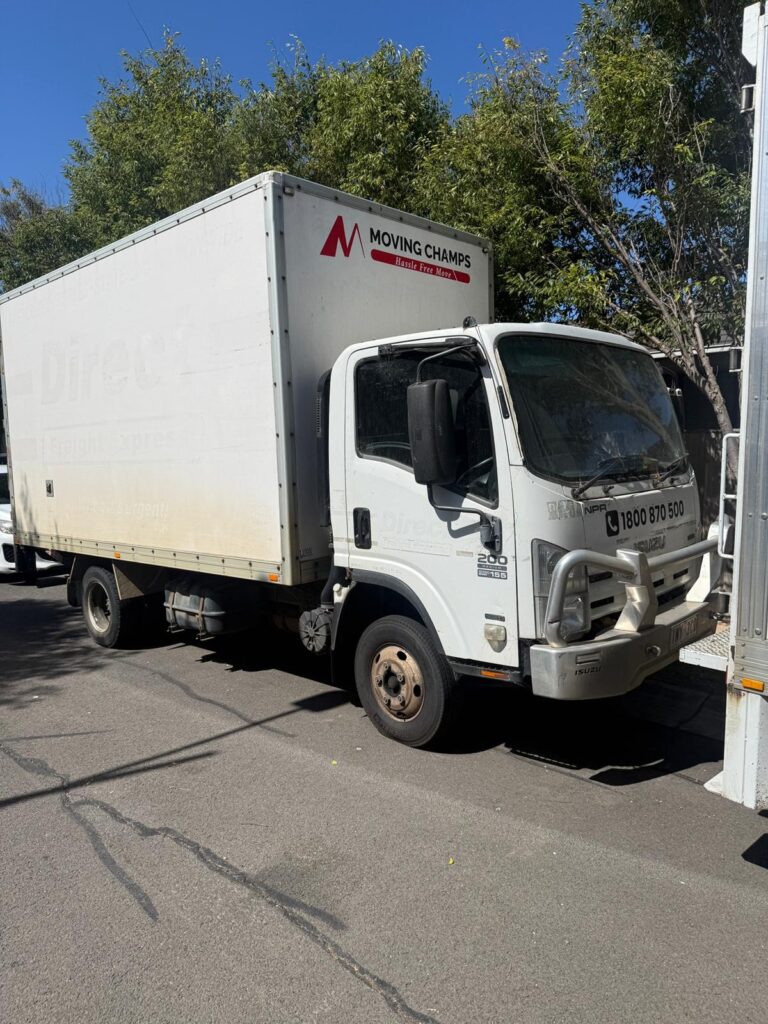
What Should You Really Check Before Booking a Removalists Melbourne?
Step 1: Start With AFRA Accreditation
AFRA [the Australian Furniture Removers Association] is the industry’s official association. Accredited companies must carry proper insurance, use certified equipment, and employ trained staff.
Go to afra.com.au, use their “Find a Removalist” directory, and only shortlist companies that appear there. This one step alone eliminates most dodgy operators. If a company claims accreditation but doesn’t show up, move on.
Step 2: Decode Melbourne’s Pricing Models
When researching the best removalists Melbourne has to offer, you will generally run into two pricing structures:
- Hourly Rate suits small, simple moves, but can blow out if the job runs long.
- Fixed Quote gives you cost certainty — better for larger or complex moves.
Watch out for Depot-to-Depot fees. Some Melbourne companies charge travel time from their depot to your door and back. Always ask: “Do you charge from when the truck arrives or from when it leaves your depot? Established professional teams—like the Moving Champs team are generally upfront about these travel fees, so there are no surprises.
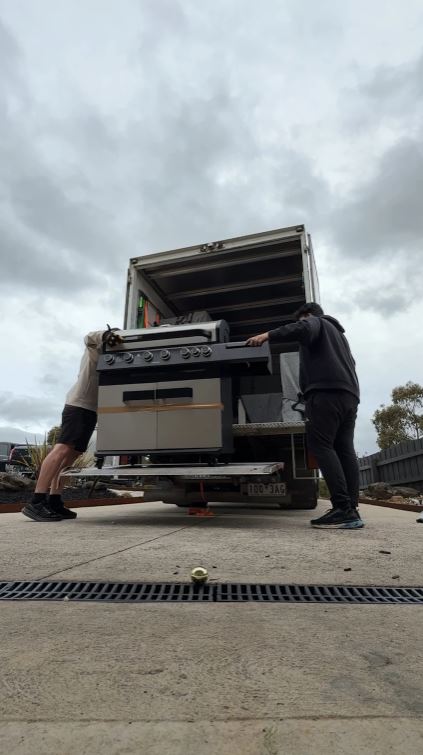
Step 3: Ask About Melbourne Laneway Access
Inner-city suburbs like Richmond, Fitzroy, Brunswick, and Collingwood have narrow streets that larger trucks simply can’t navigate.
Before booking, ask: “What size truck are you sending, and can it access my street?” and “Do you have a smaller shuttle vehicle for tight spots?”
A confident, specific answer means they’ve dealt with Melbourne’s streets before. A vague “it’ll be fine” means they probably haven’t.
Step 4- Understand What’s Actually Included in the Quote
Two quotes at the same price are not always for the same service. Before comparing numbers, ask whether packing materials, furniture disassembly, and moving blankets are included or charged as extras. These add-ons can quietly push the final bill well above the original quote.
Some premium companies also offer comprehensive moving services Melbourne options, such as a full packing service where their crew handles everything for you. It costs more upfront but saves time and reduces damage risk significantly.
Step 4: Learn to Spot Fake Google Reviews
Don’t just look at the star rating—look at the vocabulary. Legitimate Melbourne feedback includes hyper-local suburb context: “Navigated the tight Coburg driveway perfectly” or “Handled the narrow stairs in St Kilda.” Generic 5-star profiles with no local history are usually paid bots. Always check how a company replies to their 1-star and 2-star reviews; their public professionalism tells you exactly how they will treat you behind closed doors.
Step 5- Check How They Handle Fragile and High-Value Items
A reliable removalist will confidently explain exactly how they protect fragile and high-value items, mentioning specifics like piano boards, stair climbers, or custom crating. If you’re moving antiques, artwork, or a piano, ask directly and listen for that detail in their answer.
Also confirm that their goods-in-transit insurance covers the full replacement value of your belongings, not just a per-item cap.

Step 5- Ask Who is Actually Moving Your Stuff
Most people never think to ask this, but it makes a big difference. Some Melbourne companies use their own trained, permanent staff. Others hire casual subcontractors, which means independent workers who might change on every job.
When a company uses its own full-time staff, it can control the quality and hold its workers accountable. With subcontractors, the service can vary wildly, and it gets messy figuring out who is responsible if something breaks.
Before booking, ask this quick question:
“Are the removalists your own permanent employees, or do you use subcontractors?”
If they use subcontractors, always ask a quick follow-up: “Are these outside workers fully covered by your insurance if they break my furniture?”
Step 6: The Red Flag Checklist
- Demands a large cash-only deposit with no written receipt
- Refuses to provide a written contract or itemised quote
- Only contact is a generic mobile number with no ABN or business address
- Quote is 30–40% cheaper than every other company (too good to be true)
- Can’t tell you what size truck or how many crew they’ll send
- Doesn’t ask for an inventory before quoting
- Pressures you to book immediately
One red flag is a warning; multiple red flags mean you should look for another mover.

Also Read: Melbourne to Brisbane Move: The Complete Guide for a Smooth Interstate Relocation
How to Prepare for Moving Day Like a Pro
Booking a removalist is the hard part done — but how well you prepare in the days before can be the difference between a smooth six-hour move and a chaotic ten-hour one. Most Australians underestimate how much prep work actually saves them money on moving day, especially if they’re paying by the hour.
Here’s exactly what to do in the week leading up to your move
Day 7
Declutter before you pack
Anything you don’t need at the new place is dead weight you’ll pay to move. Drop unwanted items at a St Vincent de Paul or Salvos store, or list them on Facebook Marketplace. Fewer boxes = less time on the truck = less money out of your pocket.
Day 5
Notify everyone of your address change
Update your address with Australia Post (they offer a mail redirection service), Medicare, the ATO, your bank, superannuation fund, and your VicRoads licence. Doing this early prevents missed mail and avoids hassles down the track.
Day 3
Pack and label every box by room
Write the destination room on the top AND side of every box so removalists can read it when boxes are stacked. Colour-coded tape is even better. Label fragile items clearly on every side — not just the top. Removalists work fast, and a clearly labelled “fragile” box gets treated differently.
Day 1 (night before)
Pack your essentials bag
Set aside a bag or box that does NOT go on the truck. Include a phone charger, toilet paper, a change of clothes, basic medications, a kettle, coffee or tea, and snacks. Your first night in a new house is hectic — you won’t want to unpack 40 boxes just to find your toothbrush.
On Moving Day
- Defrost your fridge and freezer the night before — a wet, leaking fridge is a removalist’s nightmare and can damage other items
- Disconnect and drain your washing machine the night before, too
- Clear a path through your home — hallways, stairs, and doorways should be obstacle-free
- Have a dedicated parking space ready for the truck — if you need a permit for a clearway zone, arrange this with your local council at least a week in advance
- Be present and available for the full duration — a removalist who can’t get a decision from you wastes time (and your money)
- Do a final walkthrough of every room, cupboard, shed, and garage before the truck leaves
Pro tip: Photograph your meter readings (electricity, gas, water) on the morning of your move and email them to your energy provider. This protects you from being billed for usage after you’ve left. The same goes for your new property — photograph those meters the moment you arrive.
A well-prepared move takes the pressure off your removalists and keeps the job running on time. If you’re on an hourly rate, every hour saved is real money back in your pocket.
Also Read: Melbourne Cost of Living Breakdown: Rent, Bills, Transport & More
Conclusion
Finding a trustworthy removalist in Melbourne comes down to a few focused checks: AFRA accreditation, transparent pricing, local access knowledge, and verified reviews. The best removalists Melbourne has to offer will answer your questions confidently, put everything in writing, and never rush you into a decision. Take an hour to do this properly, and your moving day becomes a whole lot smoother.
Frequently Asked Questions
How much do Melbourne removalists typically charge?
Expect $120–$180 per hour for a two-person crew with a truck, with a two-to-three-hour minimum. Always get at least three quotes before settling on a company.
Is AFRA accreditation legally required?
No, but it’s the easiest way to verify insurance, trained staff, and proper equipment without auditing the company yourself.
What’s the best day to book a removalist in Melbourne?
Midweek (Tuesday to Thursday) is cheaper and more available. Avoid end-of-month dates and school holiday periods when demand peaks.
How far in advance should I book?
Three to four weeks for weekend moves, one to two weeks for midweek. Book even earlier during June (end of financial year) and summer holiday breaks.
What if something gets damaged during the move?
Photograph it immediately, report it in writing the same day, and follow their claims process. If they’re unresponsive, escalate the matter to Consumer Affairs Victoria.
Do Melbourne removalists charge extra for clearways or parking fines?
No professional removalist should pass their parking fines onto you. However, you are responsible for securing a legal parking space near your door. If they have to park far away because of a clearway or lack of space, they will charge you for the extra walking time on an hourly rate.
What happens if the move takes longer than the hourly estimate?
If you are on an hourly rate, you pay for the actual time elapsed. If the delay is caused by unexpected traffic or your own underestimation of items, you foot the bill. If the movers are intentionally working slowly, you have grounds to contest the final invoice with the management.
Are there extra charges for moving heavy items up apartment stairs?
Yes, most companies charge a “staircase surcharge” (often a flat fee per flight of stairs) if there is no working lift available. Always declare stairs upfront to avoid an unexpected bill on moving day.
How do I handle a move if I’m relocating from Melbourne to another state?
For long-distance relocations, you need to look specifically for interstate removalists Melbourne specialists. Unlike local movers, interstate transits are priced by the cubic meter volume of your inventory rather than by the hour, and your items may be shipped using a container system.
Should I tip my removalists in Melbourne?
Tipping is not expected or standard practice in Australia. However, if the crew worked hard through terrible weather or tough flights of stairs, offering them cold drinks or a small cash tip ($20 each) is a greatly appreciated gesture.

Popular Posts
- What Size Moving Truck Do I Need for My House?

- Darwin to Brisbane Move: Costs, Suburbs, Jobs & Everything You Need to Know

- Cost of Living in Australia: A Complete 2026 Breakdown

- Removalists Melbourne: How to Choose the Right Company for Your Move (2026 Guide)

- How to Pack a Kitchen for Moving: The Complete Guide That Actually Works

Popular Categories
Our Services




Request A Free Quote